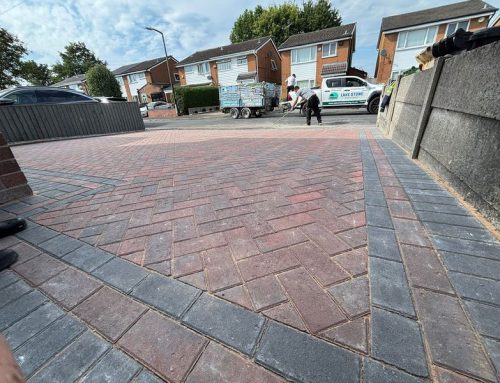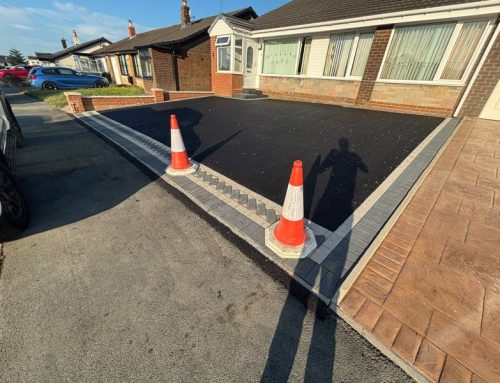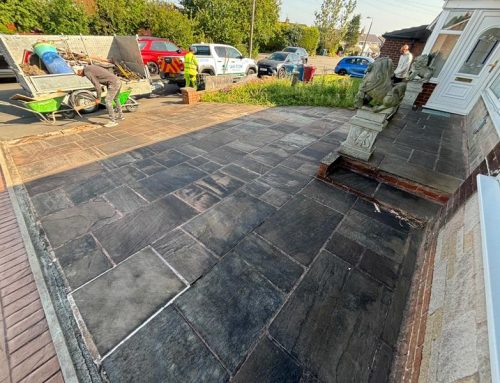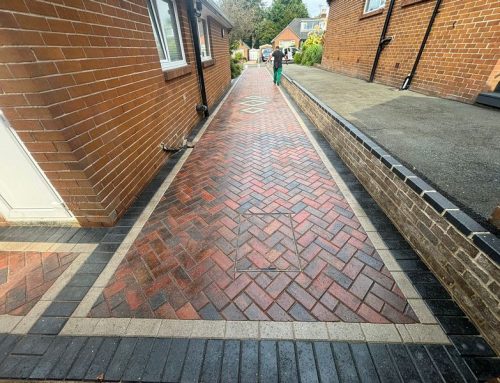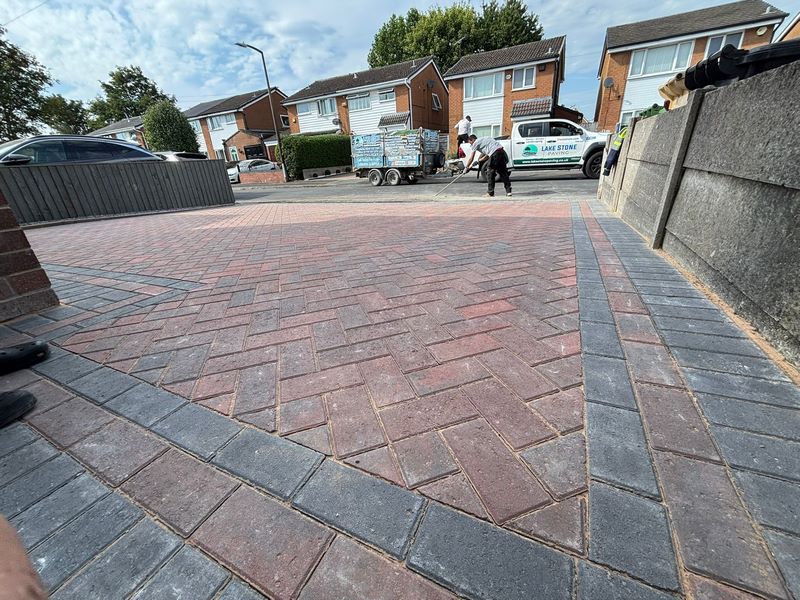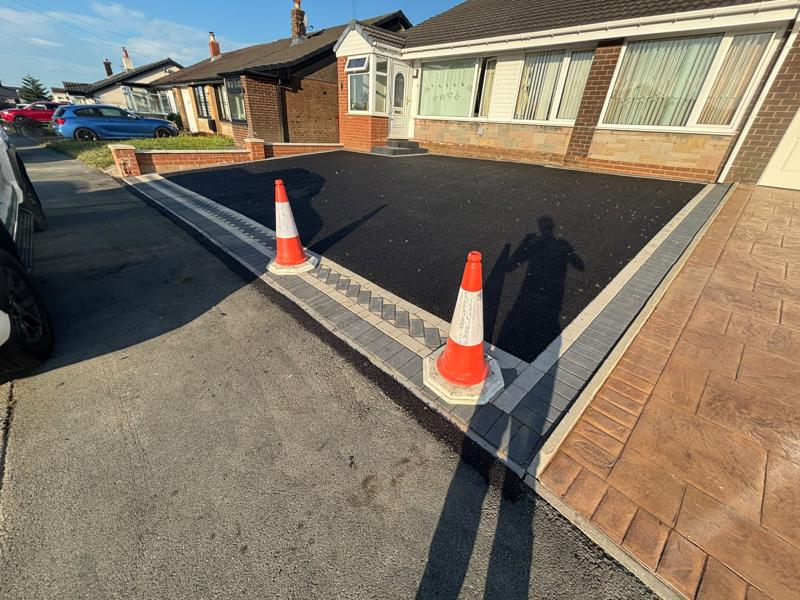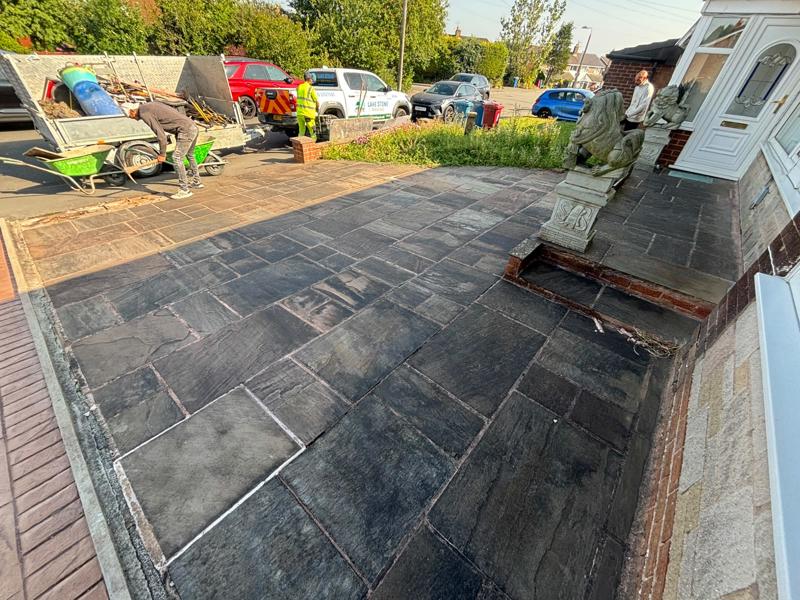
Block paving is a popular choice for driveways, patios and pathways because it is attractive, durable and available in a wide range of colours and patterns. Like any outdoor surface, however, it is exposed to rain, dirt, vehicle use, weeds and changing weather conditions.
One way to protect and enhance block paving is to apply a specialist paving sealer. Sealing can provide several benefits, but it is not always necessary or appropriate for every driveway.
Before deciding, it is important to understand what block paving sealer does, when it should be applied and what preparation is required.
What Is Block Paving Sealer?
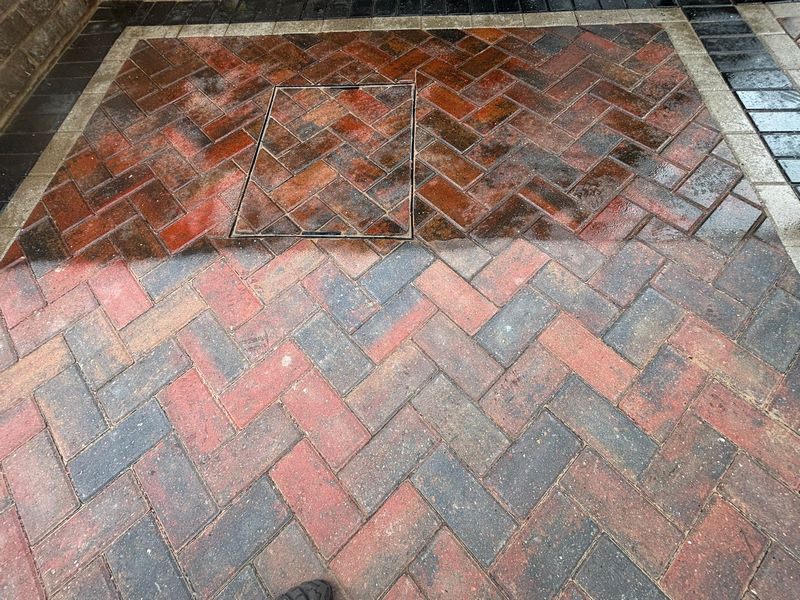
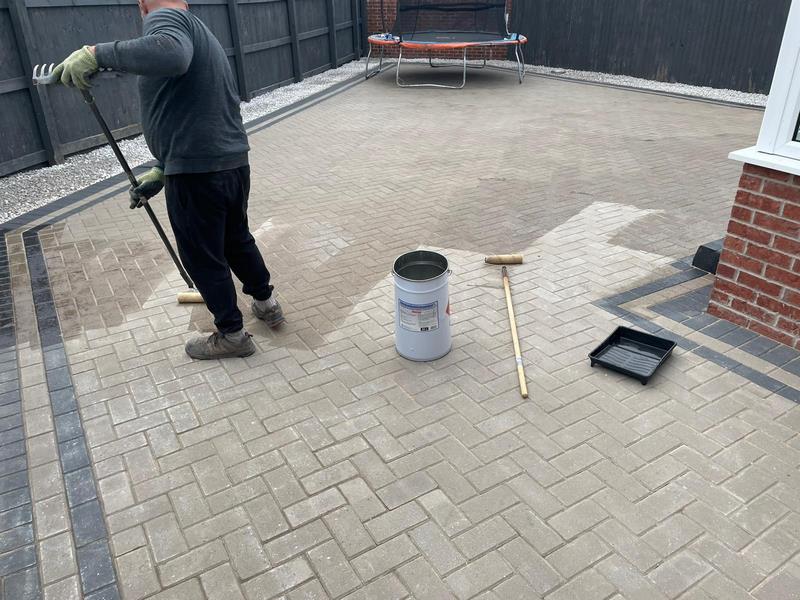
Block paving sealer is a liquid treatment applied to the surface of paving blocks and joints. Once cured, it creates a protective finish that can reduce the absorption of water, dirt and certain stains.
Different sealers produce different results. Some are designed to create a natural-looking finish, while others deepen the colour of the blocks or produce a satin or glossy appearance.
There are also products with different chemical compositions, performance levels and application requirements. The correct sealer must be suitable for the particular paving material and its intended use.
What Are the Benefits of Sealing Block Paving?
One of the main benefits of sealing is that it can make the surface easier to maintain.
Because the paving absorbs less dirt and moisture, oil marks, food spills and general grime may be easier to clean before they penetrate deeply. This can be particularly useful on driveways used by several vehicles or patios used for outdoor dining.
A suitable sealer may also help stabilise the jointing sand between conventional block paving. This can reduce the amount of sand lost through wind, rain and cleaning.
Sealing may also discourage weed growth by making it more difficult for seeds to establish within the joints. However, it will not permanently prevent every weed. Seeds can still settle in dirt and organic matter that collects on top of the paving.
Another reason homeowners choose sealing is appearance. Some products enhance the colour of faded-looking blocks and create a richer finish.
Are There Any Disadvantages?
Block paving sealer must be applied correctly. Poor preparation or unsuitable weather conditions can result in an uneven, cloudy or patchy finish.
The surface needs to be thoroughly cleaned and allowed to dry before sealing. Applying sealer over dirt, stains or biological growth can trap these marks underneath the coating.
Moisture is another concern. If the paving or joints are still damp, the sealer may not bond or cure properly.
Some sealers can make the surface look darker or shinier than expected. A small test area is therefore sensible before treating the full driveway.
Sealing also creates an ongoing maintenance commitment. The coating will gradually wear and may eventually require cleaning and reapplication. Areas used by vehicles may wear more quickly than parts that receive only foot traffic.
Does All Block Paving Need Sealing?
No. Well-manufactured block paving does not automatically need to be sealed.
Some manufacturers specifically advise that sealing is optional rather than essential. The suitability of a sealer depends on the paving product, its age, the condition of the joints and the result the homeowner wants to achieve.
An unsealed block-paved driveway can still perform well when it has been installed correctly and maintained with regular sweeping, occasional cleaning and replacement of lost jointing material.
Sealing is best viewed as an optional protective and decorative treatment rather than a solution for structural problems.
It will not repair sunken blocks, failed edges, poor drainage or an inadequate sub-base. These problems should be corrected before sealing is considered.

When Should New Block Paving Be Sealed?
New paving should not normally be sealed immediately unless the paving and sealer manufacturers confirm that it is appropriate.
Concrete paving can sometimes develop temporary white deposits known as efflorescence. These natural salts are transported to the surface by moisture and will often reduce gradually through normal weathering.
Sealing too early could trap the appearance of these deposits or affect how moisture leaves the paving.
The recommended waiting period varies between products, so manufacturer guidance should always be followed. The paving should also be fully settled, clean and dry before treatment begins.
How Should Block Paving Be Prepared?
Preparation is often more important than the actual application.
The driveway should first be inspected for movement, damaged blocks and drainage issues. Any repairs need to be completed before sealing.
The surface should then be swept and cleaned using a method suitable for the paving. Oil stains, moss, algae and ingrained dirt need particular attention.
Care must be taken with strong chemicals, acids and high-pressure cleaning, as incorrect use could discolour or damage the paving. Manufacturers recommend checking product instructions before using specialist chemical cleaners.
After cleaning, the blocks and joints must dry thoroughly. Lost jointing sand should be replaced with the correct dry material before a joint-stabilising sealer is applied.
Can You Seal Old Block Paving?
Older block paving can often be sealed, provided it remains structurally sound.
In fact, professional cleaning and sealing can improve the appearance of an established driveway. However, years of staining, previous coatings or joint contamination may make preparation more involved.
If an old sealer is already present, it is important to identify its condition and compatibility. Applying a different product over a failed coating can create further problems.
A professional assessment can determine whether cleaning and resealing are worthwhile or whether repairs are needed first.
Is Sealing Block Paving Worth It?
Sealing may be worthwhile when you want easier cleaning, improved stain resistance, better joint stability or an enhanced finish.
It may not be necessary when the paving is already performing well, the manufacturer advises against it or the homeowner does not want the additional maintenance associated with a coated surface.
The quality of the preparation and application will strongly influence the final result.
Lakestone Paving provides professional paving, driveway maintenance and sealing services across Lancashire. We can assess the condition of your block paving, complete any necessary preparation and recommend an appropriate treatment for the surface. Contact our team to request a free quotation.