Driveway Drainage Problems: What Causes Them?
A driveway should be practical, safe and built to cope with everyday use. One of the most common problems with older or poorly installed driveways is poor drainage. If water is pooling on the surface, running towards the house or leaving damp patches after rain, it could be a sign that your driveway is no longer draining properly.
Drainage issues can make the front of your home look untidy, but they can also lead to bigger problems over time. Standing water can weaken the surface, encourage moss and algae growth, create slippery areas and cause sections of the driveway to sink or move.
In this guide, we look at the common causes of driveway drainage problems and why proper installation is so important.
Why Driveway Drainage Matters
Good drainage helps rainwater move away from the driveway safely. When water has nowhere to go, it can sit on the surface or flow towards areas where it should not, such as the house, garage, paths or entrance.
A well-installed driveway should be designed with the correct levels, falls and drainage in place from the start. This helps prevent puddles, surface damage and long-term movement.
Incorrect Driveway Levels
A driveway should not be completely flat. It needs a suitable fall so rainwater can run towards a drainage point, garden area or suitable outlet.
If the surface has been laid too flat, water can sit in low spots. If it falls the wrong way, water may run towards the property instead of away from it. Correct levels need to be planned before the surface is installed, which is why preparation is just as important as the final finish.
Poor or Missing Drainage Channels
Some driveways need drainage channels to manage surface water, especially near garages, entrances or sloped areas.
If these channels are missing, badly positioned or not connected properly, water can build up quickly during heavy rain. Over time, this can lead to staining, slippery areas and damage to the driveway surface.
A Weak or Uneven Sub-Base
The sub-base is the layer underneath the visible driveway surface. It gives the driveway strength and stability.
If the sub-base has not been installed correctly, the driveway can start to sink or dip over time. These low spots often collect water, making the problem worse after heavy rain. A strong, well-compacted sub-base helps keep the driveway stable and supports effective drainage.
Older Driveways That Have Sunk Over Time
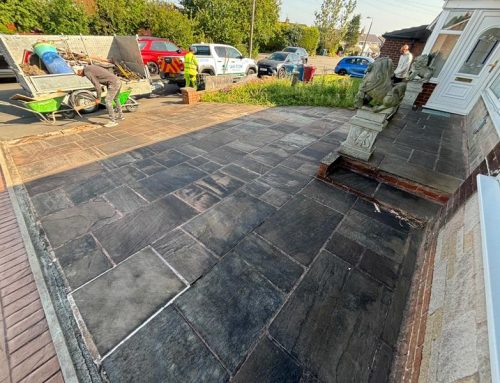
Even a driveway that was originally installed well can become uneven with age. Vehicles, weather, ground movement and general wear can all cause the surface to sink, crack or move.
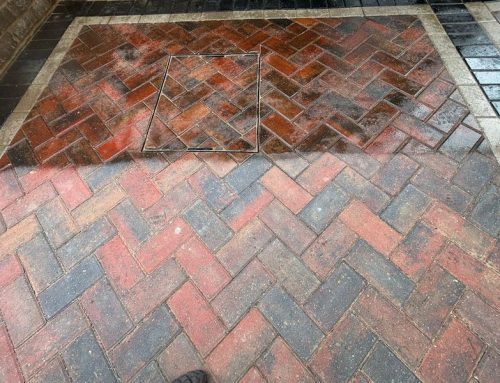
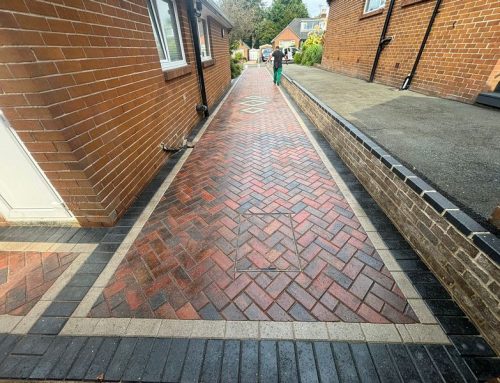
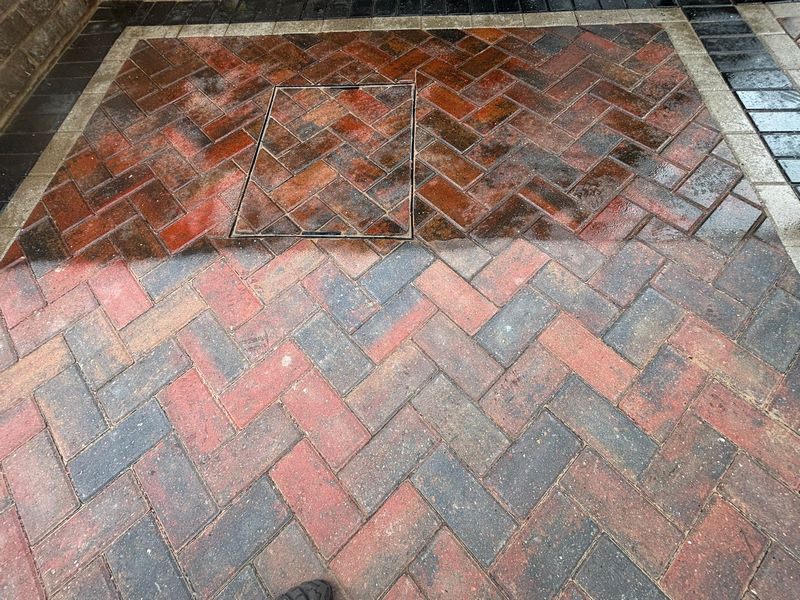
Older block paving may shift, tarmac can dip, and gravel can become thin in certain areas. Once the surface is no longer even, water can collect where it should not.
Water Running Towards the Property
Water should always be directed away from the home wherever possible. If rainwater is running towards your front door, garage, walls or air bricks, your driveway may need attention.
This is often caused by poor planning, incorrect levels or resurfacing work that has not corrected an existing drainage issue. Replacing the driveway gives you the chance to adjust the levels properly and install suitable drainage where needed.
Blocked Drains or Gullies
Sometimes the problem is not the driveway itself. Drainage channels, gullies and nearby drains can become blocked with leaves, silt, moss and debris.
When this happens, water cannot escape properly. Regular cleaning can help, but if the drainage system is too small, damaged or poorly positioned, it may need improving as part of a new driveway installation.
The Wrong Surface for the Area
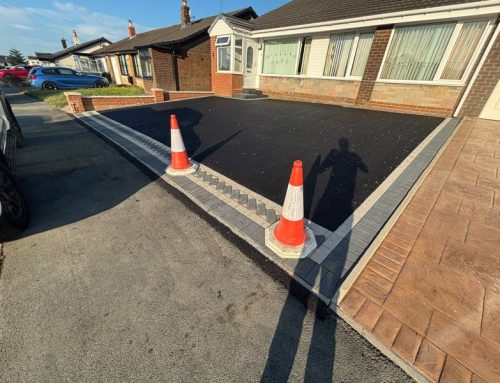
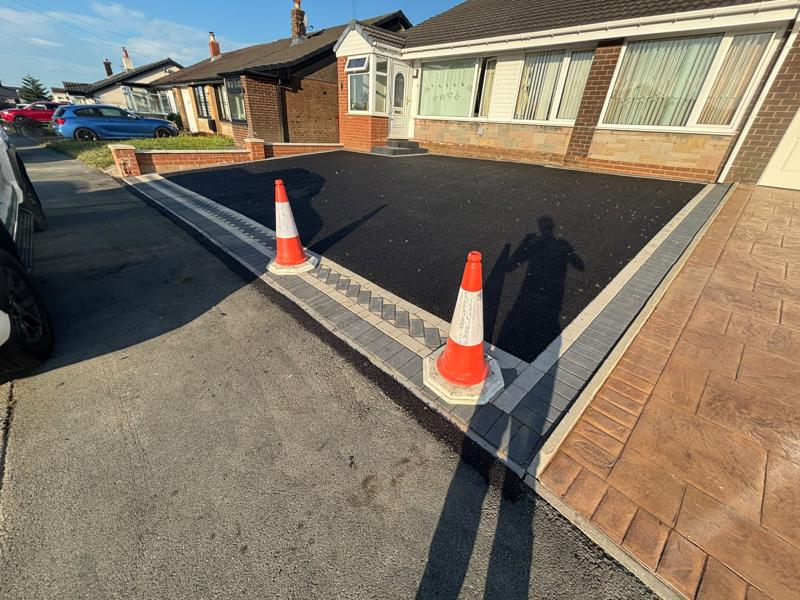
Different driveway materials manage water in different ways. Resin bound driveways can be a good option when installed on a suitable base, while gravel can allow water to move through the surface depending on the build-up underneath. Block paving and tarmac may need the correct falls and drainage channels depending on the property.
The right choice depends on the size, slope, layout and condition of the area.
Signs Your Driveway Has Poor Drainage
Common signs of drainage problems include:
- Puddles that remain after rainfall
- Water running towards the house or garage
- Moss or algae growing in damp areas
- Sinking or uneven sections
- Loose blocks or damaged edges
- Damp patches near walls or entrances
If you notice any of these signs, it may be worth having your driveway assessed.
Can Driveway Drainage Problems Be Fixed?
Some drainage issues can be repaired, especially if the problem is small. A blocked drain may simply need clearing, or a dipped area may be lifted and re-laid.
However, if the driveway has poor levels, a weak base or no suitable drainage, repairs may only be temporary. In these cases, replacing the driveway can be the best long-term solution.
Need Help with Driveway Drainage Problems?
If your driveway suffers from standing water, sinking areas or poor drainage, it may be time to consider a new installation.
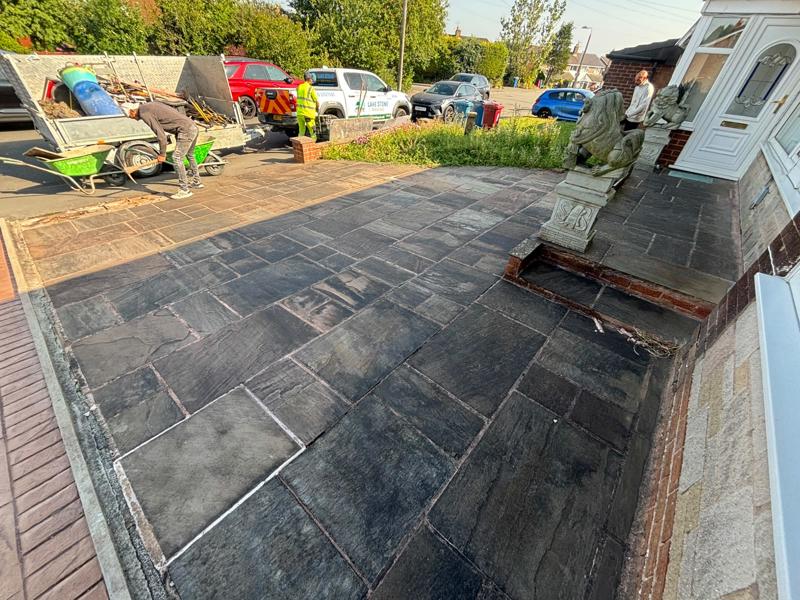
At Lakestone Paving, we install high-quality driveways with the correct groundwork, levels and drainage in place from the start. Our team can help you choose the right surface for your home and create a driveway that is practical, durable and built to last.
Contact us today to arrange a free quote.