How to Make Your Garden and Driveway More Accessible
A well-designed outdoor space should be safe, practical and comfortable for everyone to use. Uneven paving, narrow pathways, steep steps and slippery surfaces can make gardens and driveways difficult to navigate, particularly for wheelchair users, people with limited mobility, older residents and families using pushchairs.
Improving accessibility does not mean sacrificing the appearance of your property. With careful planning and suitable materials, you can create an outdoor space that is attractive, low maintenance and easier to move around.
Here are some of the main ways to make your garden and driveway more accessible.
Create Smooth, Level Pathways
Providing a smooth and stable route between key areas is one of the most important parts of accessible garden design.
Paths should connect the driveway, front door, gates, patios and seating areas wherever possible. Uneven slabs, loose stones and sudden changes in height can make movement difficult and increase the risk of trips or falls.
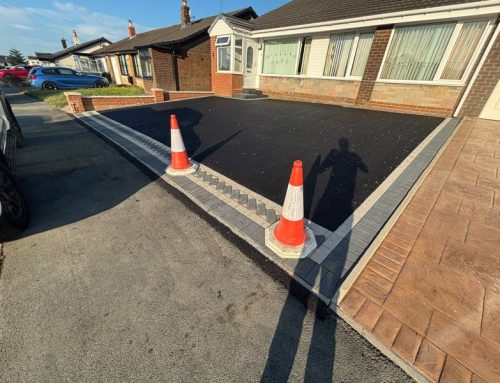
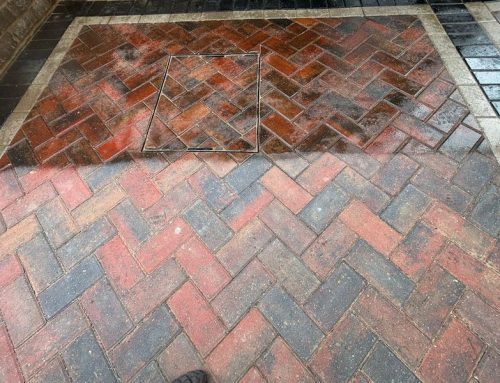
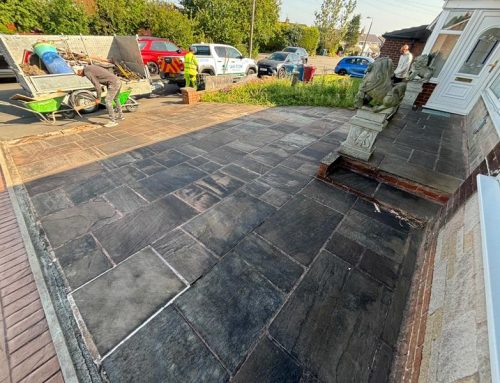
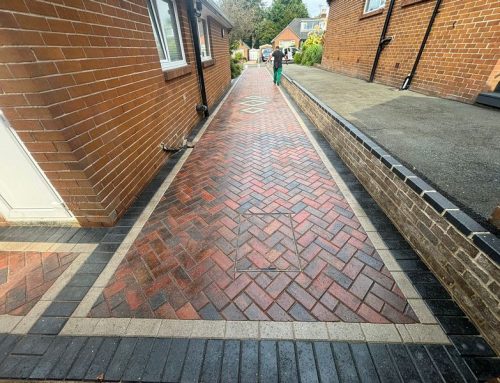
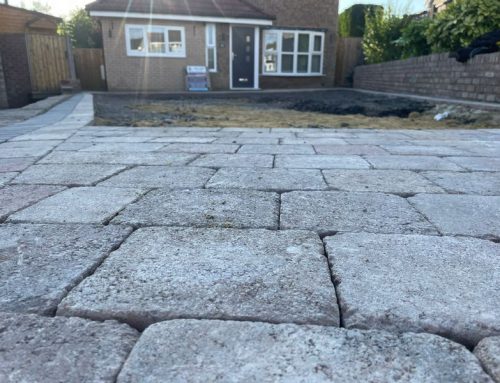
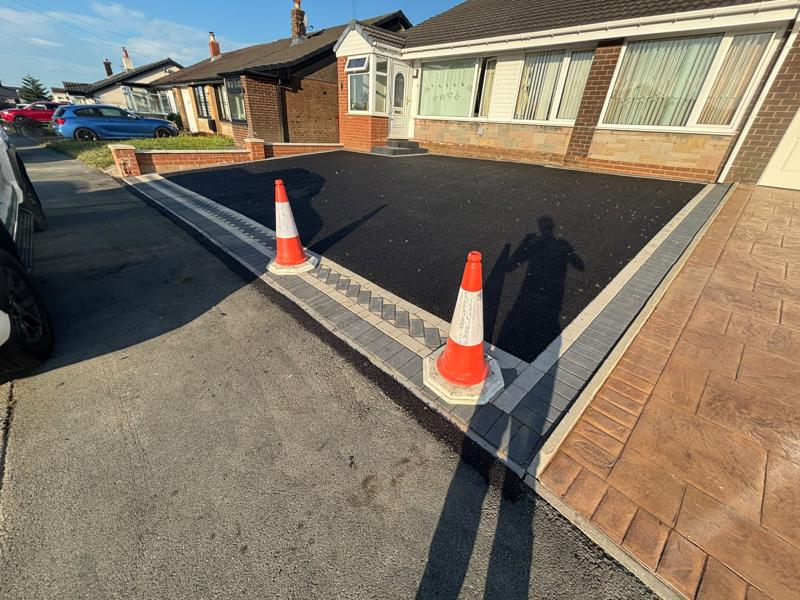
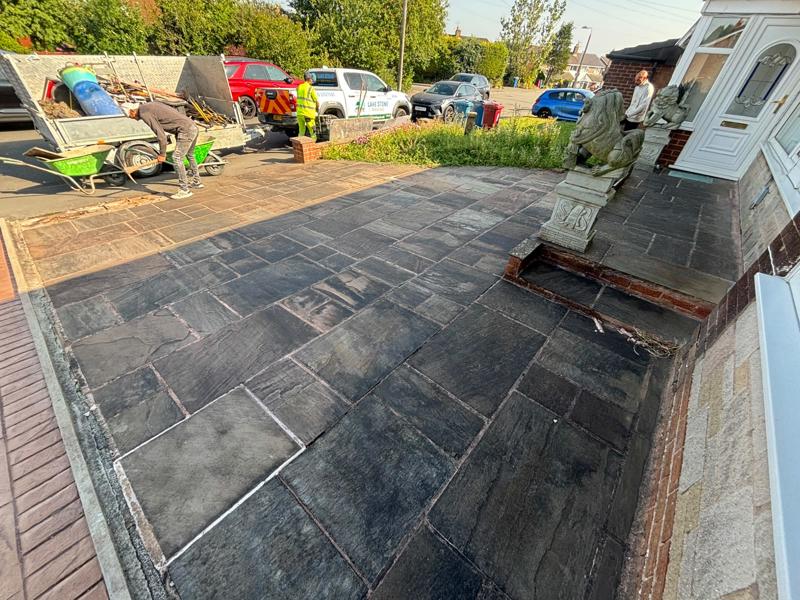
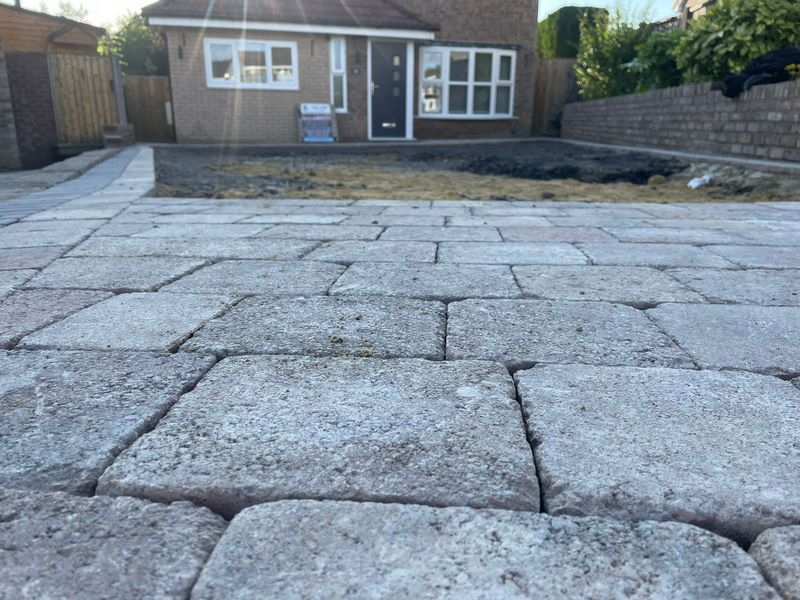
Block paving, resin-bound surfacing and properly installed paving slabs can all provide a firm surface. The correct option will depend on the style of the property, the existing ground conditions and the amount of maintenance you are comfortable with.
The foundations beneath the visible surface are also important. A poorly prepared base can cause paving to sink, move or become uneven over time.
Make Pathways Wide Enough
Narrow pathways can be restrictive for wheelchairs, powered mobility aids and people who require assistance while walking.
Where space permits, paths should be wide enough to allow comfortable movement without travelling too close to walls, raised borders or planting. Wider routes also make it easier for two people to move alongside one another.
Corners should provide sufficient turning space. Tight bends can be difficult to navigate, especially when using a larger wheelchair or mobility scooter.
Bins, planters and decorative ornaments should be positioned carefully so they do not reduce the usable width of the route.
Reduce Steps and Level Changes
Steps are one of the most common obstacles found around driveways and gardens.
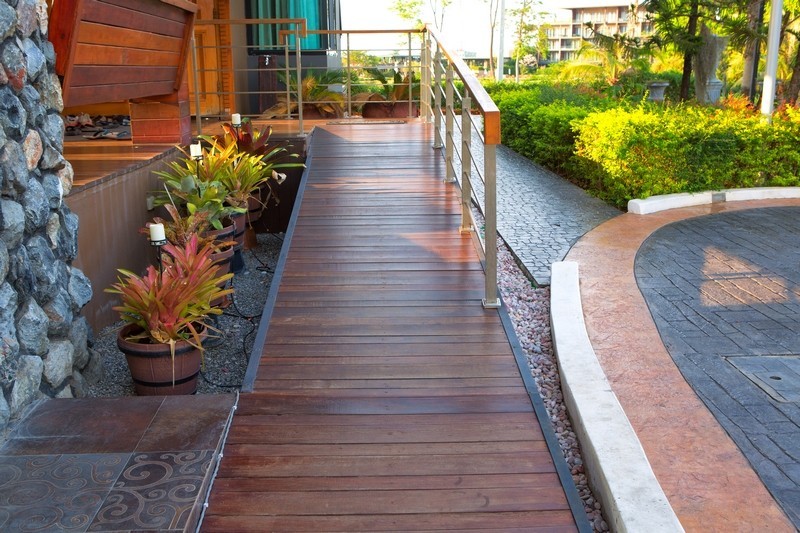
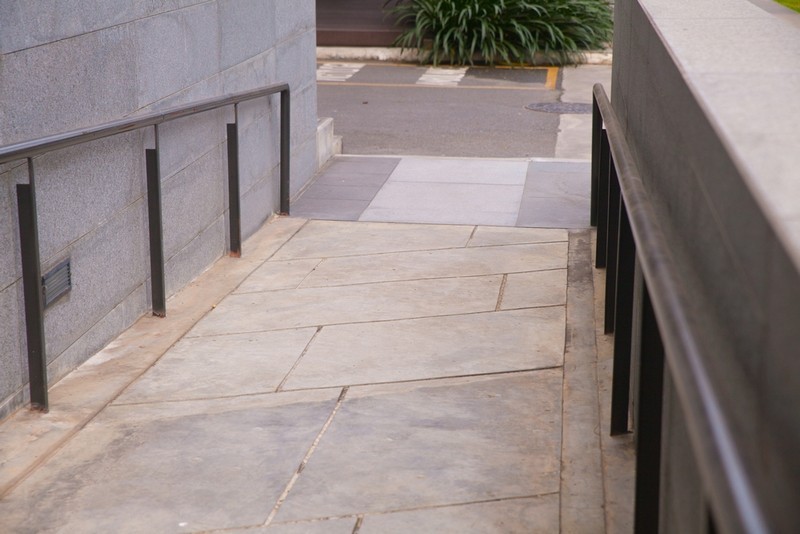
Where possible, sudden level changes can be replaced with a gently sloping path or ramp. On some properties, both steps and a separate sloping route can be installed, giving users a choice.
The right solution will depend on the available space and the difference in height between the two areas. Any slope should feel gradual and should include enough room to stop or turn safely.
Lakestone Paving provides dedicated disabled access landscaping services, including widened pathways, ramped areas, gentle slopes and garden layouts designed around easier mobility.
Choose Suitable Outdoor Surfaces
Outdoor paving is regularly exposed to rain, frost, leaves, moss and dirt. A surface that appears safe in dry weather can become difficult to use when wet.
A textured or slip-resistant finish can provide better grip on paths, ramps and entrance areas. The surface should also be smooth enough for wheels to travel across without becoming trapped or obstructed.
Loose gravel may not be suitable for a main access route because wheelchair wheels and walking aids can sink into it. Gravel can still be used in decorative areas that do not need to provide regular access.
Regular cleaning will help prevent moss, algae and fallen leaves from making paved areas slippery.
Improve Driveway Access
An accessible driveway should provide enough room for people to enter and leave a vehicle safely.
Where possible, the parking area should be level and located close to the main entrance. A clear route should connect the vehicle to the front door without unnecessary steps, narrow gaps or uneven surfaces.
Leaving additional space beside the vehicle can make it easier to use a wheelchair, mobility aid or walking frame. It can also provide room for another person to offer assistance.
Walls, fences, gates and planted borders should not prevent vehicle doors from opening fully.
Install Effective Drainage
Standing water can make paths and driveways slippery and difficult to use.
Drainage should therefore be considered during the early stages of the design. The finished surface may need carefully planned falls, drainage channels or another suitable system to direct water away from buildings and frequently used routes.
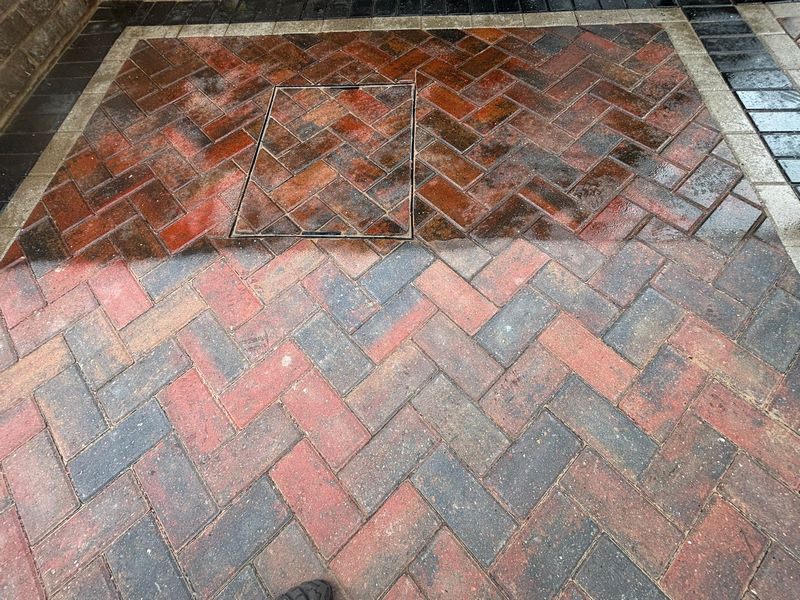
Drainage channels should be positioned so they do not create an obstacle. Covers should sit securely and level with the surrounding surface.
Addressing drainage during installation is generally easier than trying to correct recurring water problems later.
Add Handrails Where Needed
Secure handrails can provide valuable support beside steps, ramps and sloping paths.
They should be positioned at a comfortable height and fixed firmly enough to withstand regular use. For wider routes, rails on both sides may offer additional reassurance.
Decorative walls, fences and garden features should not be relied upon for support unless they have been designed and installed for that purpose.
Any steps that remain should be even, clearly visible and free from loose materials.
Provide Practical Outdoor Lighting
Good lighting makes entrances, driveways and garden paths easier to navigate after dark.
Lights can be placed beside paths, around parking spaces and near changes in level. Steps and ramps should be clearly visible without harsh glare or deep shadows.
Motion-activated lights can be useful near entrances, while low-level lighting can help define the edges of a pathway.
Cables and fittings should always be positioned so they do not create additional trip hazards.
Keep the Garden Manageable
An accessible garden should also be easy to maintain.
Overgrown plants can narrow pathways, while spreading roots may lift paving and create uneven surfaces. Low-maintenance planting and secure borders can help keep access routes clear.
Raised beds can make gardening more comfortable because they reduce the need to bend or reach down to ground level. Seating areas can also be positioned throughout a larger garden to provide places to rest.
Routine inspections will help identify loose paving, weeds, drainage issues and damaged edges before they become more serious.
Accessible Landscaping in Lancashire
Accessibility is easiest to achieve when it is considered at the beginning of a driveway or landscaping project.
Lakestone Paving can design and install accessible paths, ramps, steps, seating areas and low-maintenance gardens throughout Lancashire and the surrounding areas.
Our team can assess your property, discuss your requirements and recommend practical changes that make your outdoor space safer and easier to enjoy.
Contact Lakestone Paving today to arrange a quotation.