A professionally installed driveway can transform the appearance of your property, create practical off-road parking and improve everyday access to your home. However, the finished surface is only one part of the project.
Much of the work involved in a quality driveway installation happens underneath the blocks, resin or tarmac. Proper excavation, ground preparation, drainage and compaction are essential if the driveway is going to remain stable and attractive for years to come.
Here is what you can generally expect during a professional driveway installation.
Initial Site Survey and Consultation
The process should begin with a detailed assessment of the property.
A professional driveway contractor will measure the available space, inspect the existing surface and discuss how the finished driveway will be used. This includes considering how many vehicles will regularly use the area, where they will enter and leave, and whether space is needed for paths, steps or turning.
The contractor should also examine the levels around the property. This is particularly important when deciding how surface water will be directed away from the house, neighbouring properties and public pavements.
During this stage, you can discuss different surface materials, colours, borders and laying patterns. Popular driveway options include block paving, resin-bound surfacing, tarmac, gravel and imprinted concrete.
Agreeing the Design and Quotation
Once the site has been assessed, the contractor should provide a clear design and written quotation.
The quotation should explain what work is included, rather than simply giving a total price. It may cover excavation, waste removal, sub-base materials, drainage, edging, surfacing and any additional features such as walls, steps or pathways.
This is also the time to confirm access arrangements and whether any gates, fences, plants or existing structures need to be removed.
A professional installer should explain the proposed construction method and answer any questions before work begins.
Removing the Existing Surface
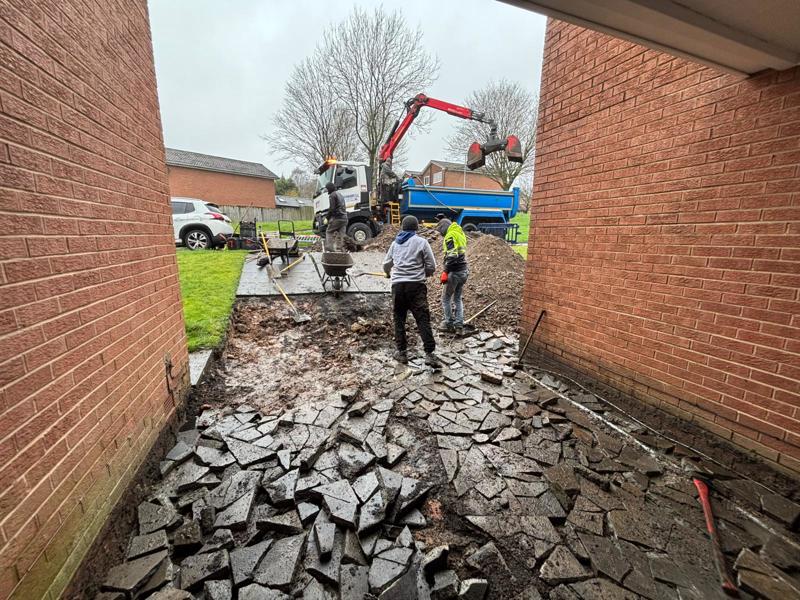
The first physical stage is usually the removal of the existing driveway, lawn, soil or damaged paving.
The area must be excavated to a suitable depth to make room for the new driveway construction. The required depth depends on factors including ground conditions, the chosen material and the weight of traffic the driveway must support.
Existing concrete, old paving, soil and other waste should be removed from the site responsibly.
Excavation is one of the most important stages of the project. Installing a new surface directly over weak or unsuitable ground can lead to sinking, movement and drainage problems later.
Preparing the Ground
Once excavation is complete, the contractor will inspect the exposed ground.
Any soft or unstable areas may need further excavation and additional treatment. In some situations, a suitable geotextile membrane may be used to help separate the ground from the construction layers above.
The driveway will then be carefully levelled to create the correct falls. A fall is a slight gradient that encourages rainwater to flow in the intended direction.
This part of the job may not be visible once the driveway is complete, but it has a major effect on long-term performance.
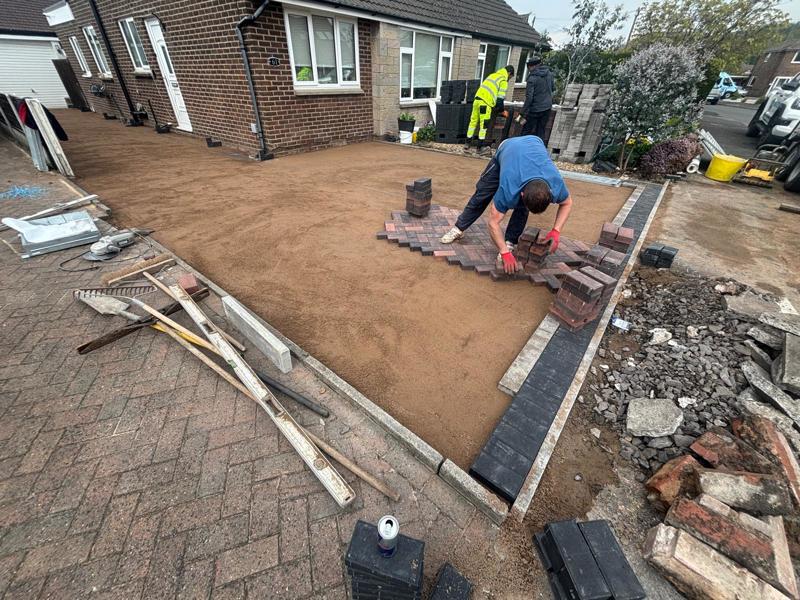
Installing and Compacting the Sub-Base
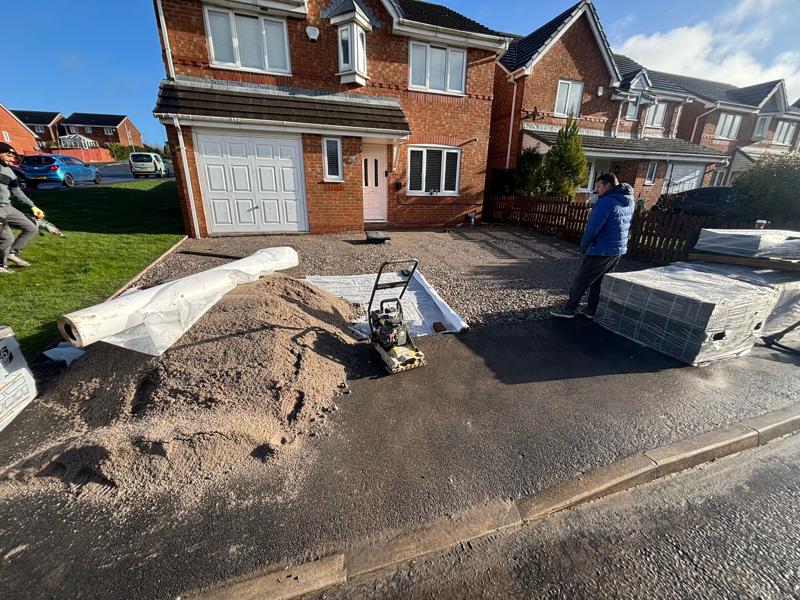
The sub-base is the structural foundation of the driveway. It spreads the weight of vehicles and helps prevent the finished surface from moving or sinking.
A suitable aggregate is installed in layers and compacted thoroughly using mechanical equipment. Installing the material in controlled layers helps achieve more consistent compaction than placing one deep layer and compacting only the top.
The required construction will vary depending on the site and driveway system. However, insufficient sub-base depth or poor compaction can compromise the performance of the surface above.
This is why the lowest quotation is not always the best value. Reducing the quality or quantity of the groundwork can create expensive problems in the future.
Installing Edging and Drainage
Secure edging helps contain the driveway and prevents the surface materials from spreading or moving.
Depending on the design, this could involve concrete edging, kerbs, block-paved borders or decorative restraints. These features may also be used to separate the driveway from lawns, flower beds and pathways.
Drainage is installed at this stage where required. This may include channel drains, soakaway systems or a permeable driveway construction.
The correct solution depends on the levels, ground conditions and proposed surface. Permeable paving systems require an appropriately designed sub-base so that water can pass through and be managed correctly.
Laying the Driveway Surface
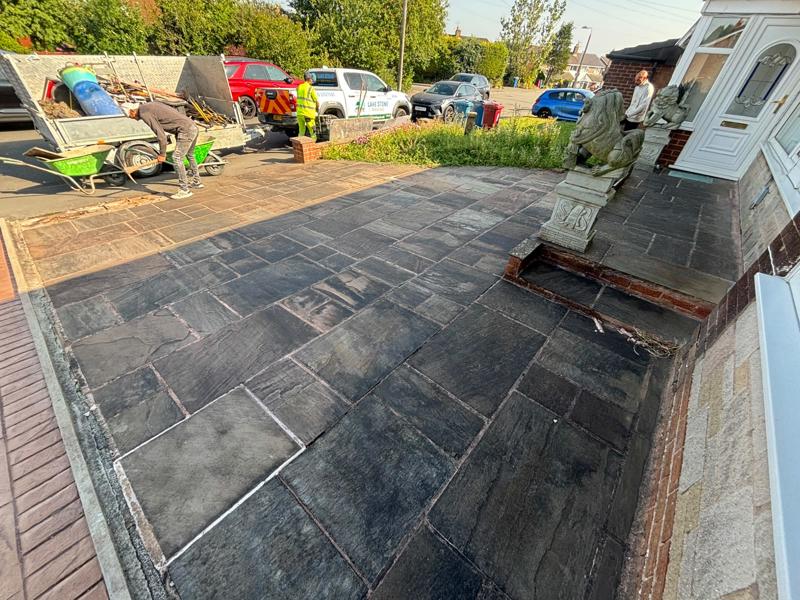
Once the foundations, edging and drainage are complete, the chosen surface can be installed.
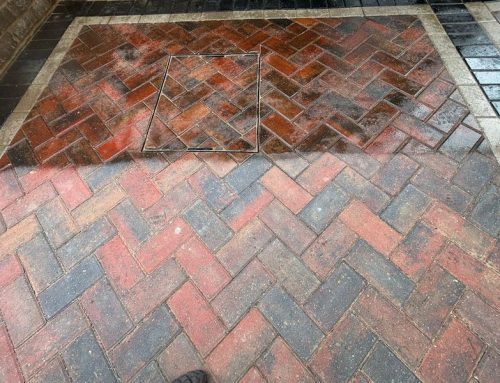
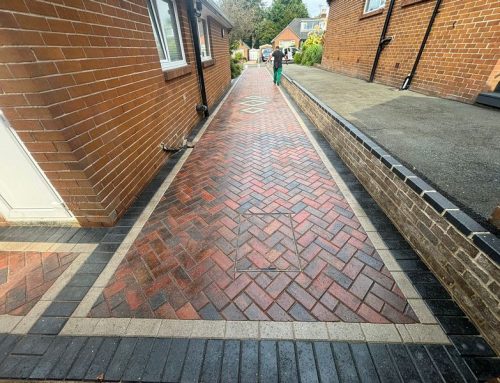
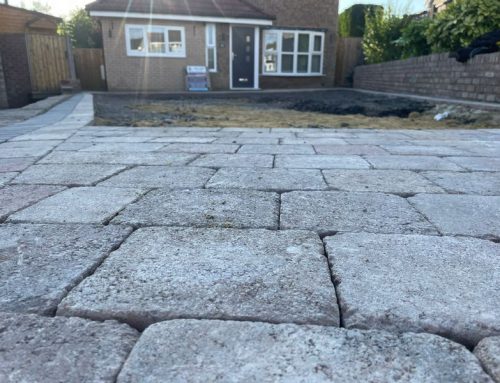
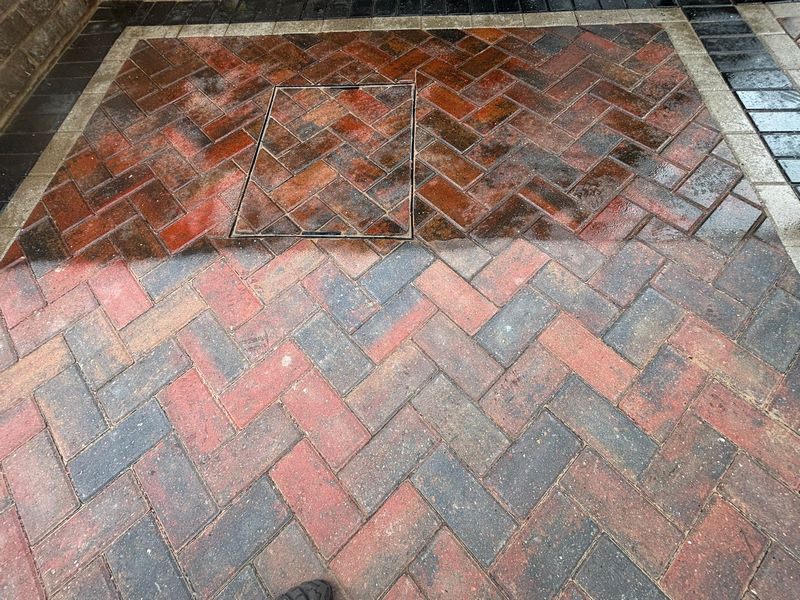
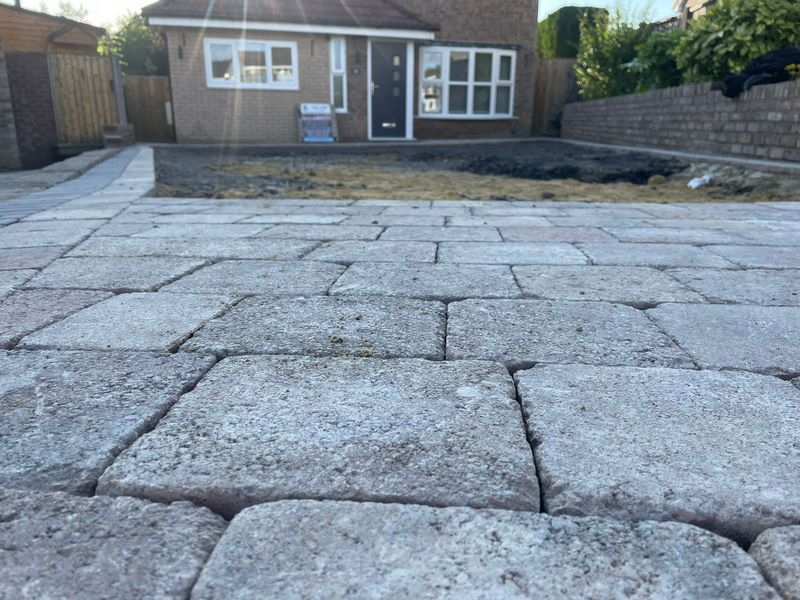
For block paving, a carefully prepared laying course is created before the blocks are positioned in the agreed pattern. Blocks around edges, drains and other features are cut accurately to create a neat finish.
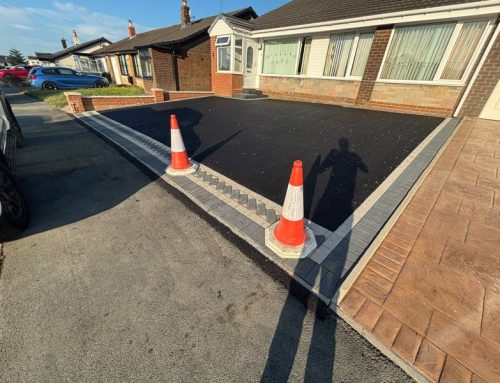
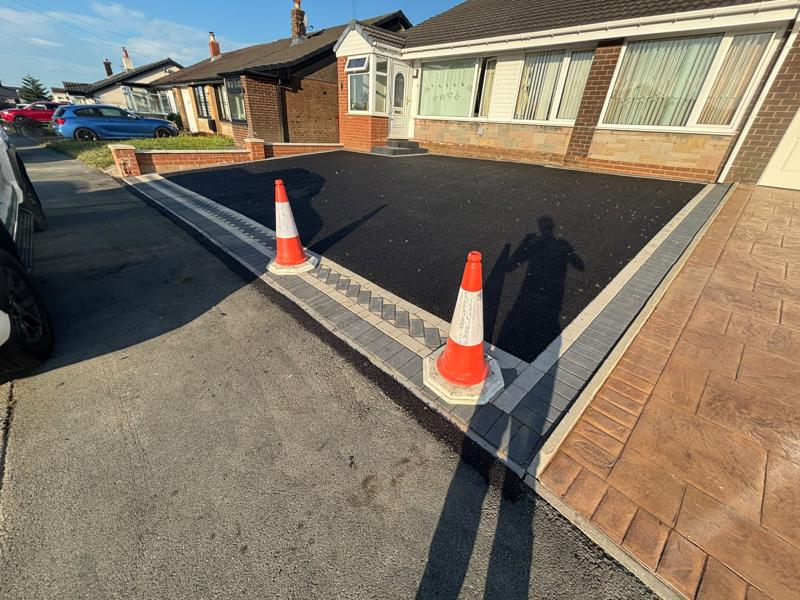
Resin-bound driveways require an appropriate prepared base before the mixed resin and aggregate are applied. Tarmac is laid and compacted in suitable layers, while gravel driveways require effective containment and a stable base.
Each material has its own installation method, which is why it is important to use a contractor with experience in the selected surface.
Finishing and Final Checks
The finishing process depends on the driveway material.
Block paving is generally compacted and finished with jointing material, while resin and tarmac surfaces need appropriate curing or cooling time before use. The contractor should clean the site, remove leftover materials and inspect the finished work.
Drainage channels should be checked, edges should be secure and the surface should have consistent levels without unexpected dips or high points.
You should also receive clear advice about when the driveway can be used and how to maintain it.
Why Professional Installation Matters
A driveway is exposed to vehicle weight, rainfall, frost, temperature changes and regular daily use. A good-looking surface cannot compensate for poor preparation underneath.
Professional installation means considering the complete construction, including excavation, sub-base strength, compaction, drainage, edging and finishing.
Lakestone Paving provides professional driveway and landscaping services throughout Lancashire and surrounding areas. Our experienced team can help with the complete process, from the initial design to the finished installation. Contact us today to arrange a free, no-obligation quotation.