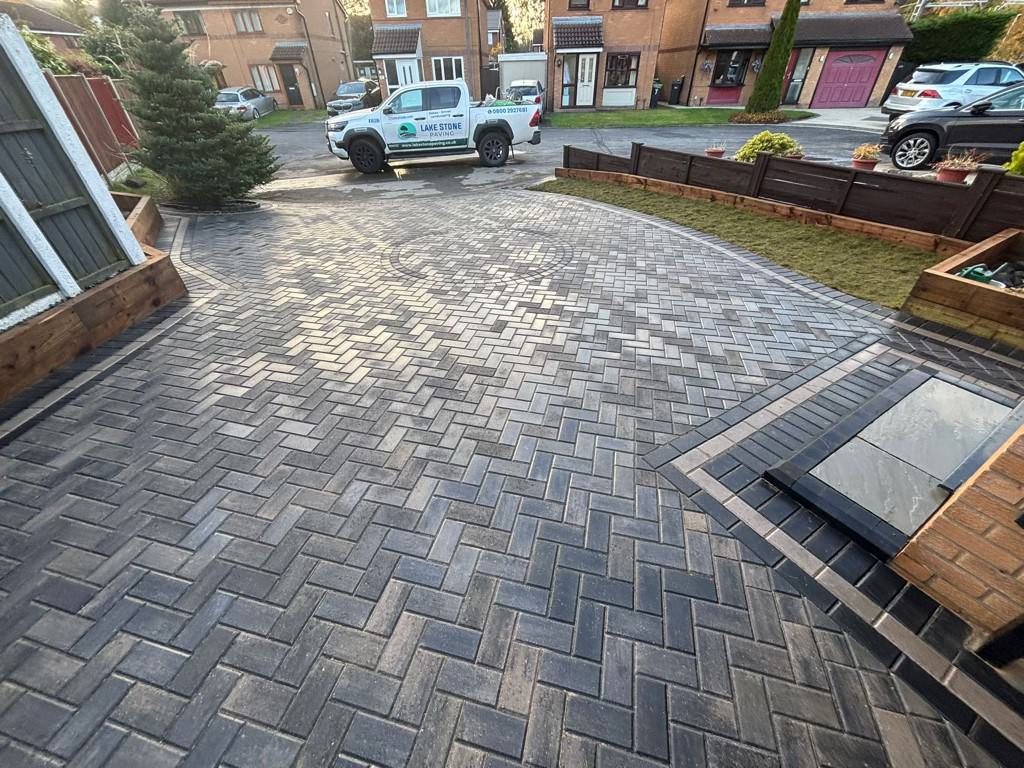
Autumn and winter can be demanding on a driveway.
Heavy rain, falling leaves, frost and occasional freezing temperatures can all expose existing problems and make outdoor surfaces more difficult to maintain.
A little preparation before the worst weather arrives can help keep your driveway looking better and reduce the risk of minor problems becoming more expensive repairs.
Here are some of the most important things to check.
Clear Leaves and Debris Regularly
Fallen leaves might seem harmless, but when they remain on a wet driveway they begin to break down.
This can leave staining and create damp conditions that encourage moss and algae.
Regular sweeping during autumn prevents debris building up, particularly around walls, drainage channels and shaded sections of the driveway.
Check Your Driveway Drainage
Good drainage becomes especially important during periods of prolonged rainfall.
Water should drain away effectively rather than collecting in large puddles or running towards the property.
Before winter, check drainage channels and gullies for:
- Leaves
- Soil
- Moss
- Small stones
- Other debris
Blocked channels can quickly overflow during heavy rainfall.
If water consistently pools in the same areas even when the drainage is clear, there may be a problem with the levels or fall of the driveway.
Look for Sunken or Loose Paving
Small areas of movement are worth dealing with before winter.
Sunken paving can collect water, while loose blocks may continue moving as vehicles pass over them.
When water repeatedly settles into dips or gaps, freezing weather can make existing deterioration worse.
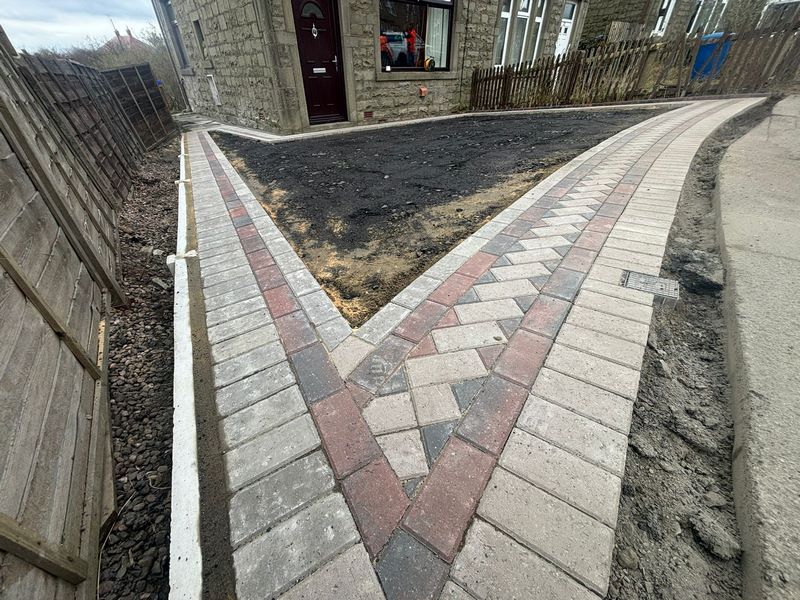
One of the advantages of block paving is that individual areas can often be lifted and repaired without replacing the entire driveway.
Replace Missing Jointing Sand
The joints between block paving play an important role in keeping the surface stable.
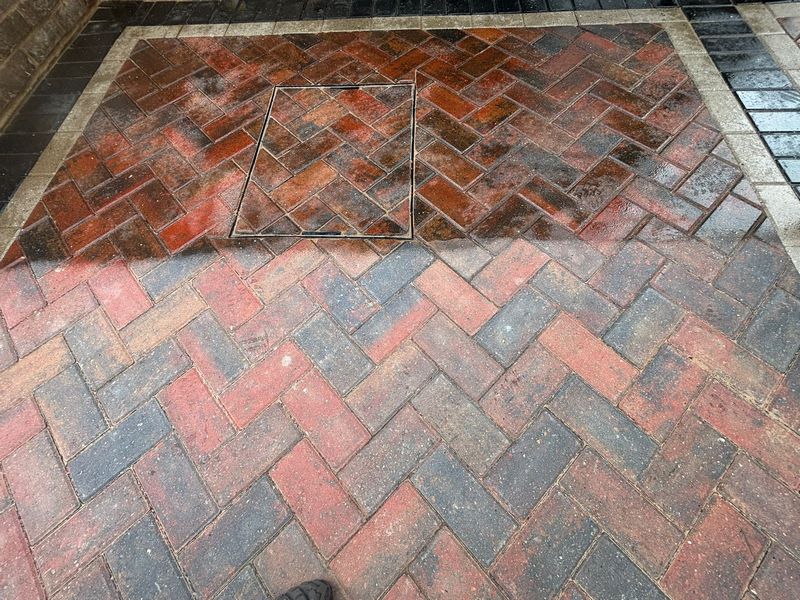
Rain, pressure washing and general wear can gradually remove kiln-dried sand from these joints.
Check whether the gaps between the blocks look unusually deep or empty.
If necessary, suitable jointing sand can be added during dry weather to restore the joints.
Remove Moss and Algae
Wet autumn conditions often encourage moss and algae, particularly on driveways that receive limited sunlight.
Apart from affecting the appearance of the driveway, heavy growth can make some surfaces slippery.
Cleaning the paving before winter helps reduce this build-up and keeps the driveway easier to maintain during the wetter months.
Always use cleaning methods appropriate for the type of driveway surface.
Check for Cracks
Different driveway materials can develop different types of damage.
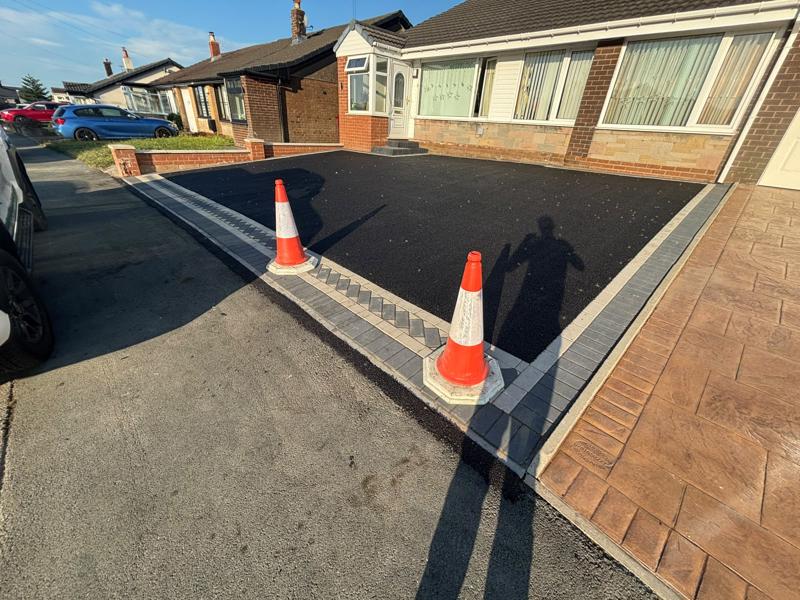
Tarmac and concrete surfaces should be checked for cracks, while block paving should be inspected for movement, damaged blocks and failing edges.
Small defects do not automatically mean that the entire driveway needs replacing.
However, identifying them early gives you the opportunity to repair localised problems before water and frost cause further deterioration.
Consider Whether the Driveway Needs Sealing
Some paved driveways can benefit from professional sealing.
A suitable sealer may help protect the surface from staining, reduce water absorption and stabilise jointing sand.
However, sealing is not appropriate for every driveway or every paving material.
The surface needs to be properly cleaned and prepared, and any existing problems should be repaired first.
Avoid Using Too Much De-Icing Salt
During icy weather, it can be tempting to spread large quantities of salt across the driveway.
While de-icing products can improve safety, repeated heavy use may affect certain paving materials or surrounding plants.
Where possible, use suitable products sparingly and follow the manufacturer’s guidance for the particular surface.
Removing snow promptly before it becomes heavily compacted can also make icy conditions easier to manage.
Pay Attention to Driveway Edges
Edges can sometimes be overlooked during routine maintenance.
Check where the driveway meets lawns, flower beds and other landscaped areas.
Soil and vegetation can gradually spread onto the paving, trapping moisture and encouraging weeds or moss.
Keeping these areas tidy helps protect the edge of the driveway while maintaining a neat appearance.
Is Water Flowing Towards Your Property?
One issue worth taking seriously is rainwater regularly flowing towards the house.
Driveways should be designed so that surface water is managed correctly.
Persistent water around walls or entrances may indicate a drainage or level problem that should be investigated rather than simply swept away after each storm.
A Little Maintenance Can Prevent Bigger Problems
Preparing a driveway for winter does not need to be complicated.
Keeping drainage clear, removing leaves, checking joints and dealing with small areas of damage can make a substantial difference.
It is also a useful opportunity to identify problems that may have developed unnoticed during the summer.
If your driveway has significant sinking, drainage problems, damaged paving or extensive wear, professional repair or replacement may provide a more permanent solution.
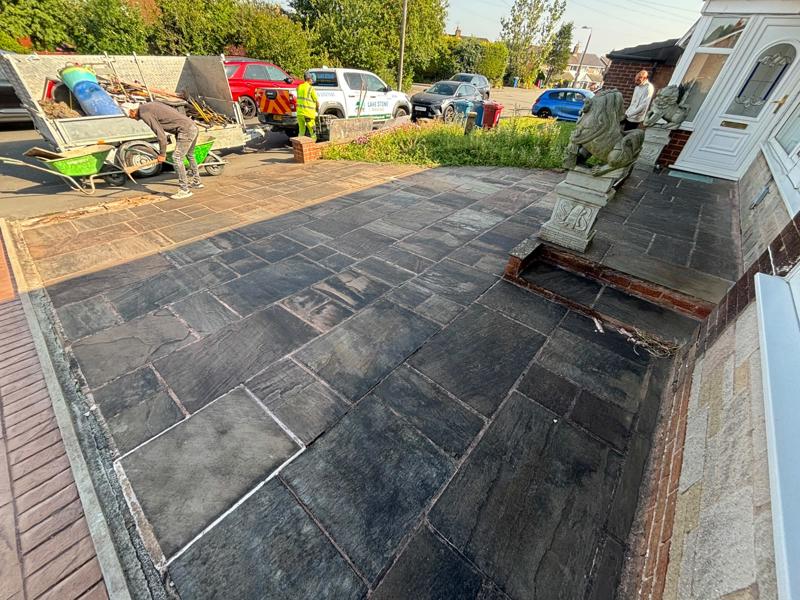
Lakestone Paving installs and renovates driveways with careful attention to groundwork and drainage, helping create surfaces designed to cope with everyday use and changing British weather.