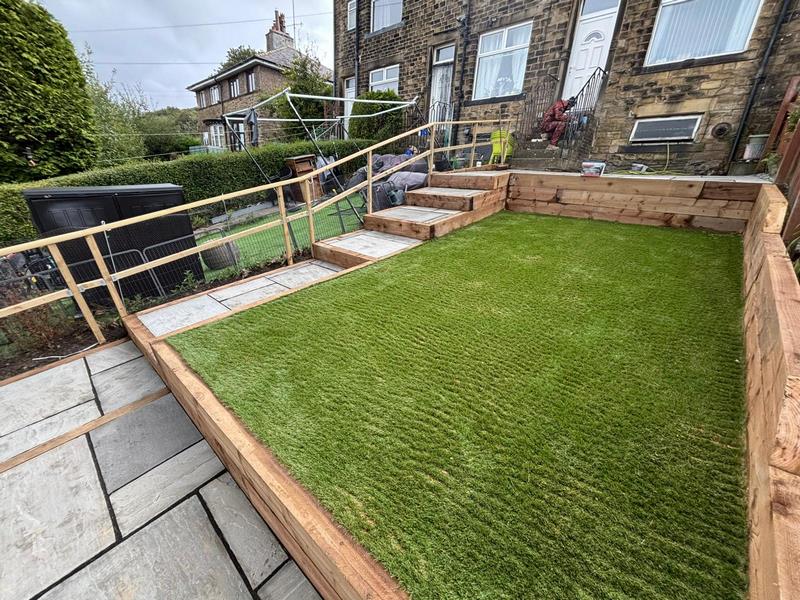
Choosing between artificial grass and real grass can make a big difference to how your garden looks, feels and functions throughout the year.
Both options have their advantages, and the right choice will depend on how you use your outdoor space, how much maintenance you want to take on and the overall look you are trying to achieve.
If you are planning a garden makeover, here are some of the main things to consider when deciding between artificial grass and a natural lawn.
Maintenance
One of the biggest differences between artificial and real grass is the amount of maintenance involved.
A natural lawn needs regular mowing during the growing season, as well as watering, feeding, edging and occasional treatments to keep it looking its best. Areas with heavy foot traffic may also become worn, muddy or patchy over time.
Artificial grass requires far less ongoing maintenance. It does not need mowing or watering and stays green throughout the year. It may still need occasional brushing and cleaning, particularly in gardens used by children or pets, but overall it is usually the lower-maintenance option.
Appearance Throughout the Year
A well-maintained natural lawn can be hard to beat, particularly during spring and summer.
However, British weather can make keeping a lawn in perfect condition difficult. Heavy rain, shade and frequent use can all result in muddy or worn areas.
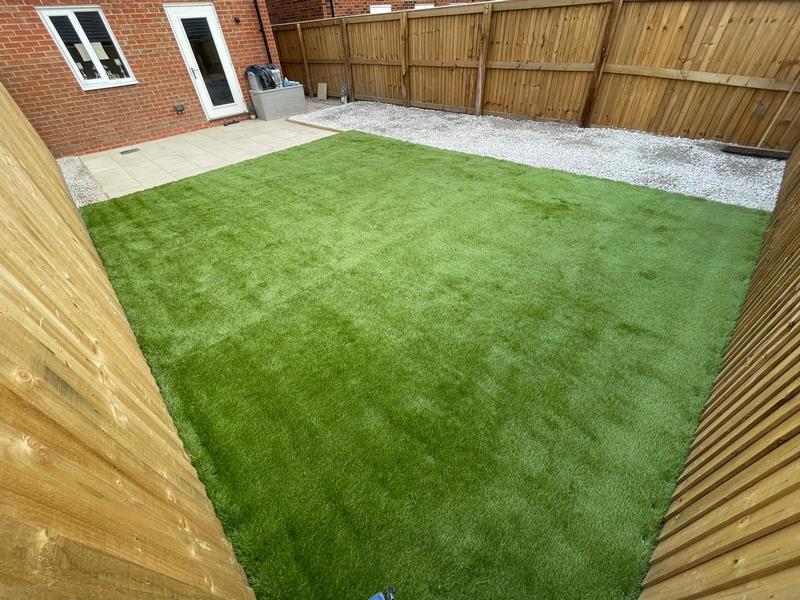
Artificial grass provides a more consistent appearance throughout the year. It stays green during wet winters and dry periods and can be particularly useful in gardens where natural grass struggles to grow.
Modern artificial grass is also available in a wide range of pile lengths and finishes, allowing homeowners to choose a style that suits their garden.
Drainage
Good drainage is important whether you choose real or artificial grass.
Natural lawns can become waterlogged if the soil underneath does not drain effectively. This can leave the garden muddy and difficult to use after periods of heavy rainfall.
Artificial grass should also be installed on a properly prepared and well-draining base. Simply laying artificial grass over unsuitable ground can lead to standing water, uneven areas and other problems later on.
Correct ground preparation is therefore just as important as the surface itself.
Children and Pets
Both artificial and natural grass can work well in family gardens.
Real grass provides a naturally soft surface, but repeated use can create worn areas, particularly around football goals, play equipment or common walking routes.
Artificial grass is often chosen for busy family gardens because it is durable and does not become muddy in the same way as a natural lawn.
For dog owners, artificial grass can also make it easier to keep muddy paws out of the house. However, it still needs regular cleaning and good drainage to keep the area hygienic.
Cost
Natural turf will usually have a lower initial installation cost than high-quality artificial grass.
However, there are ongoing costs associated with maintaining a real lawn, including lawnmowers, treatments, watering and repairs.
Artificial grass normally costs more initially because the ground needs to be properly excavated and prepared before the surface is installed. Its reduced maintenance requirements can make it attractive to homeowners who want a garden that requires less ongoing work.
The best option should therefore be based on more than installation cost alone.
Environmental Considerations
Natural grass has environmental benefits, providing habitat for insects and allowing rainwater to soak naturally into the ground.
Artificial grass does not provide the same natural habitat and is made from synthetic materials.
On the other hand, artificial grass removes the need for regular mowing, fertilisers and frequent watering.
Homeowners who want to encourage wildlife and biodiversity may prefer to retain some natural lawn or combine grass with planted borders, trees and other landscaped areas.
Which Is Best for a Low-Maintenance Garden?
If reducing garden maintenance is your main priority, artificial grass will usually be the more practical choice.
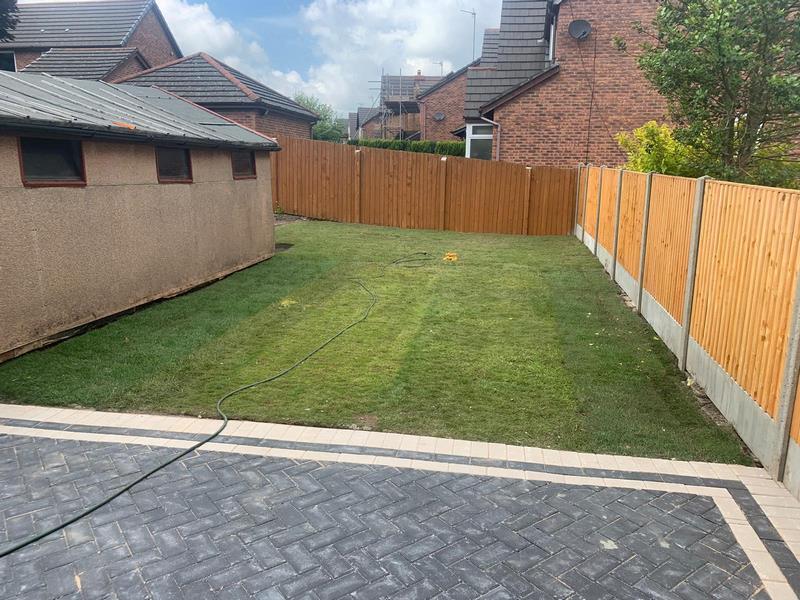
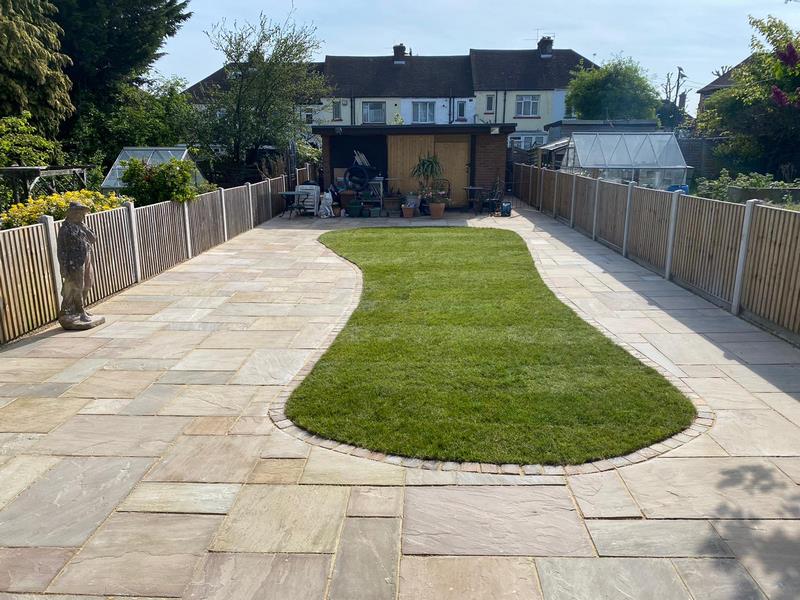
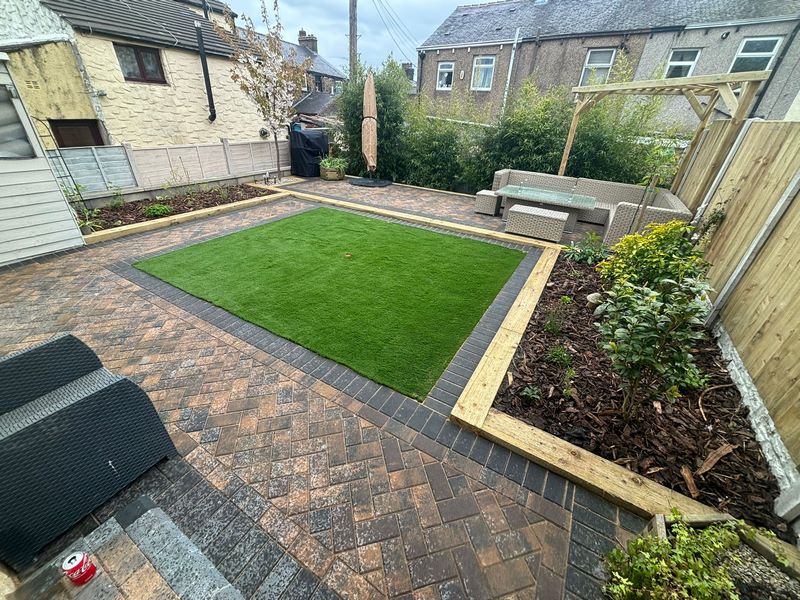
It works particularly well alongside paved patios, pathways and landscaped borders to create a garden that can be used throughout the year without requiring regular mowing.
Natural grass may be preferable if you enjoy gardening, want a more traditional appearance or would like to create a garden that supports more wildlife.
Can You Combine Artificial Grass With Landscaping?
Absolutely.
Artificial grass does not have to cover the entire garden.
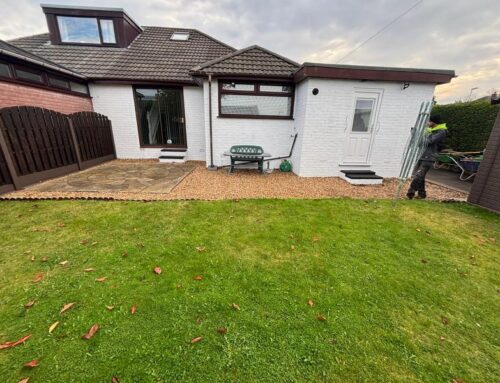
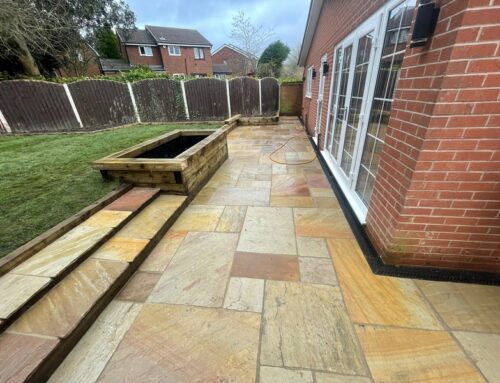
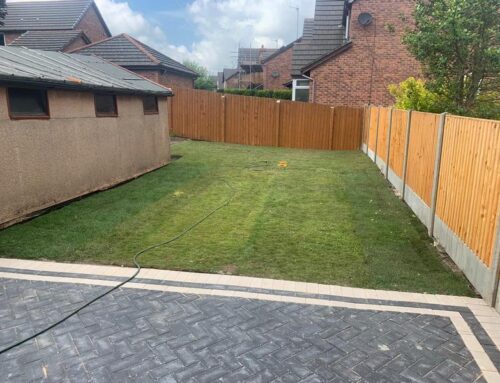
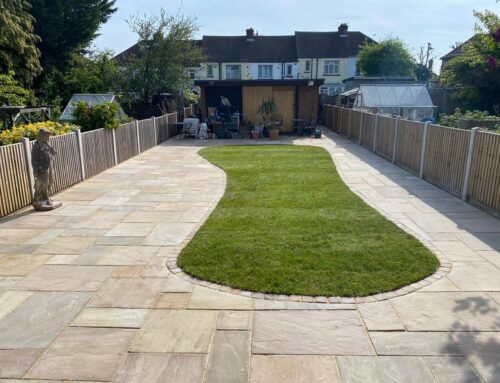
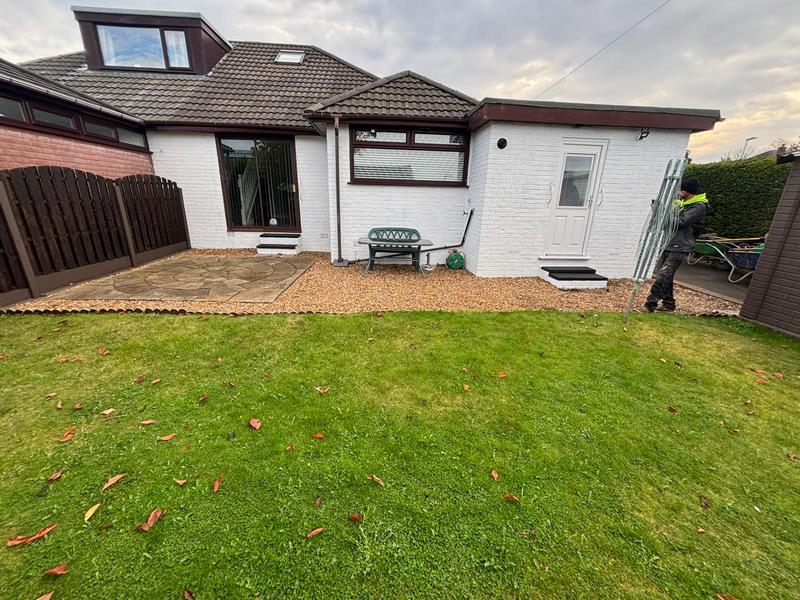
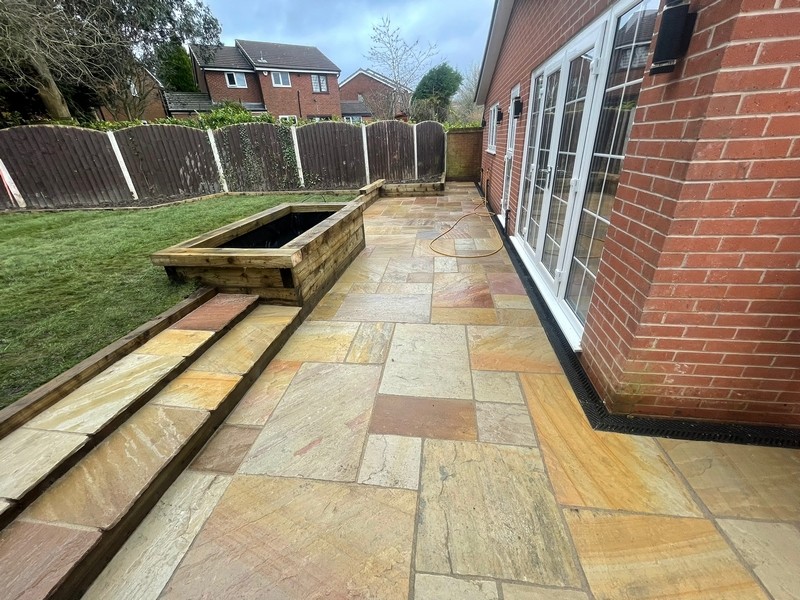
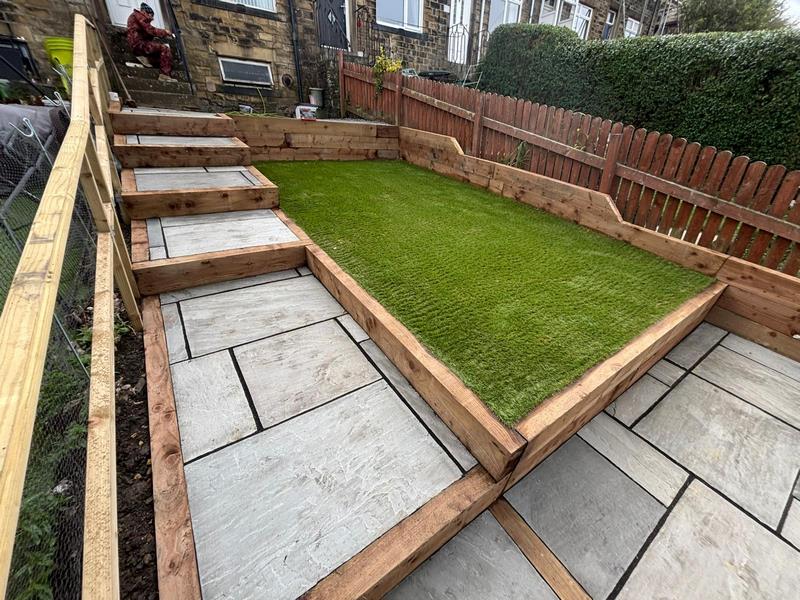
It can be combined with patios, paving, raised beds, decorative stone, fencing and planted borders to create separate areas within an outdoor space.
This can be particularly effective when redesigning an older garden where the existing lawn is difficult to maintain or where better use could be made of the available space.
Transform Your Garden With Lakestone Paving
Whether you are considering artificial grass, a new patio or a complete garden redesign, good landscaping starts with careful preparation and a layout that works for your property.
At Lakestone Paving, we can help create practical, attractive outdoor spaces designed around the way you use your garden.
Get in touch with our team to discuss your landscaping project and find out what options could work best for your property.