How Long Does Composite Fencing Last? Durability, Maintenance and Weather Resistance
When choosing new garden fencing, appearance and privacy are important, but so is how well your fence will stand up to everyday use and the British weather.
Composite fencing has become increasingly popular with homeowners looking for an attractive, long-lasting alternative to traditional timber. With its modern appearance and low-maintenance design, it’s a practical option for gardens of all shapes and sizes.
But how long does composite fencing actually last, and what can you do to keep it looking its best?
In this guide, we look at the expected lifespan of composite fencing, how it handles different weather conditions and the factors that can affect its durability.
What Is the Average Lifespan of Composite Fencing?
Good-quality composite fencing can last 25 years or more, depending on the materials used, the manufacturer’s specifications, installation quality and ongoing care.
Composite fencing is generally manufactured using a combination of wood fibres and plastic materials, designed to offer the appearance of timber with improved resistance to many of the problems associated with natural wood.
Unlike traditional timber fencing, composite boards do not normally require regular staining or painting to protect them from the elements.
However, not all composite fencing products are the same. The quality of the boards, supporting posts and fixings can have a significant impact on how well a fence performs over time.
Choosing quality materials and ensuring they are installed correctly is essential for getting the most from your investment.
How Does Composite Fencing Stand Up to British Weather?
British gardens experience a wide range of weather conditions throughout the year, from prolonged rainfall and freezing temperatures to strong winds and summer sunshine.
Fortunately, composite fencing is designed to withstand many of these challenges.
Rain and Moisture Resistance
One of the main advantages of composite fencing is its resistance to moisture-related deterioration.
Traditional wooden fencing can absorb water, which may eventually contribute to swelling, warping or decay if the timber isn’t properly protected.
Composite fencing generally absorbs less moisture than natural timber and is designed to resist rot, making it particularly suitable for gardens exposed to frequent rainfall.
However, the level of moisture resistance varies between products, and proper installation remains important.
Wind and Stormy Weather
Strong winds can put considerable pressure on any garden fence, regardless of the material used.
Although composite fence boards are durable, their ability to withstand high winds depends on more than the boards themselves.
Fence height, post spacing, foundations, fixings and the location of the garden all affect the strength of the completed installation.
For properties in exposed locations, professional installation is particularly important to ensure the fencing system is suitable for the conditions.
Sunlight and Colour Fading
Like many outdoor materials, composite fencing can experience some colour changes following prolonged exposure to sunlight.
The amount of fading depends on the product, colour, manufacturing process and UV protection incorporated into the boards.
Some initial weathering may be expected with certain products, while others are specifically designed to offer greater colour stability.
Choosing a good-quality composite fencing product can help maintain a consistent appearance over time.
Frost and Cold Temperatures
Composite fencing is also designed for outdoor use in colder conditions.
However, temperature changes can cause composite materials to expand and contract slightly.
This is why manufacturers specify appropriate installation gaps and fixing methods. Following these requirements allows the fencing system to accommodate normal movement without unnecessary stress on the boards.
Does Composite Fencing Need Maintenance?
One of the biggest reasons homeowners choose composite fencing is its relatively low maintenance requirements.
Unlike traditional timber fencing, composite boards don’t generally need regular painting, staining or preservative treatments.
That doesn’t mean composite fencing is completely maintenance-free, though.
To keep your fence looking its best, a few simple steps can make a difference:
- Clean occasionally: Use warm soapy water and a soft brush to remove general dirt and marks.
- Remove leaves and debris: Prevent a build-up of organic material around the base of the fence.
- Check posts and fixings: Inspect the fence occasionally for movement, particularly after strong winds.
- Avoid harsh chemicals: Always follow the manufacturer’s cleaning recommendations.
- Keep nearby plants under control: Trim vegetation that could trap moisture or place unnecessary pressure on the fence.
Regular cleaning and basic inspections can help keep composite fencing looking smart and allow minor issues to be identified before they become more serious.
What Can Affect the Lifespan of Composite Fencing?
Although composite fencing is designed to be durable, several factors can influence how long it lasts.
Quality of Materials
Not all composite fencing products offer the same level of performance.
The composition of the boards, manufacturing quality and protective coatings can all affect resistance to weathering and everyday wear.
Professional Installation
Even high-quality composite fencing can develop problems if it isn’t installed correctly.
Poorly secured posts, unsuitable foundations or incorrect fixing methods can affect the stability and performance of the fence.
A properly installed fencing system should take into account the ground conditions, garden layout and manufacturer’s requirements.
Garden Conditions
Gardens that are particularly exposed to strong winds, heavy shade or persistent moisture may place additional demands on fencing materials.
Understanding these conditions before installation helps ensure the most suitable fencing system is selected.
General Care
Although composite fencing requires less maintenance than traditional timber, keeping it clean and checking for damage can help preserve its appearance and condition.
Is Composite Fencing Worth Considering for Your Garden?
If you’re looking for attractive fencing that doesn’t require regular painting or staining, composite fencing is certainly worth considering.
It can provide a contemporary finish while offering good resistance to rot, moisture and general outdoor wear.
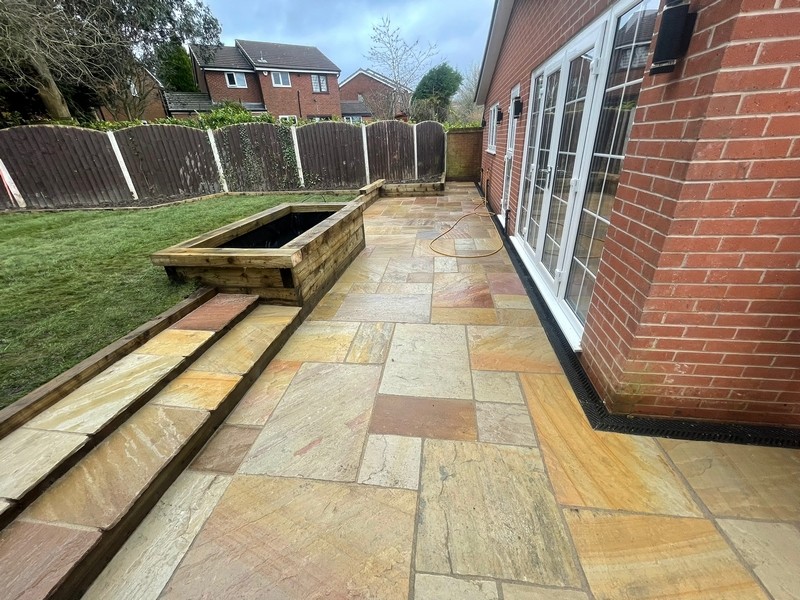
Composite fencing works particularly well alongside modern patios, paved areas, decking and landscaped gardens, helping to create a coordinated outdoor space.
It’s also a practical choice for homeowners who want to spend less time maintaining their garden boundaries.
The most suitable fencing will ultimately depend on your garden’s layout, your preferred appearance and the conditions the fence will need to withstand.
Professional Composite Fencing Installation in Lancashire
If you’re considering composite fencing for your garden, Lakestone Paving can help.
Based in Haslingden, we provide professional composite fencing and landscaping services across Rossendale, Blackburn, Burnley, Accrington, Bolton and surrounding areas.
Whether you’re replacing an ageing garden fence or planning a complete outdoor transformation, our experienced team can help you explore suitable fencing options for your property.
We understand the importance of a secure, attractive and long-lasting installation, with careful attention to ground preparation, positioning and the finished appearance.
Thinking about installing composite fencing?
Contact Lakestone Paving today to discuss your project and arrange a free, no-obligation quotation.
Call 07402 197616 or use our contact form to find out more.